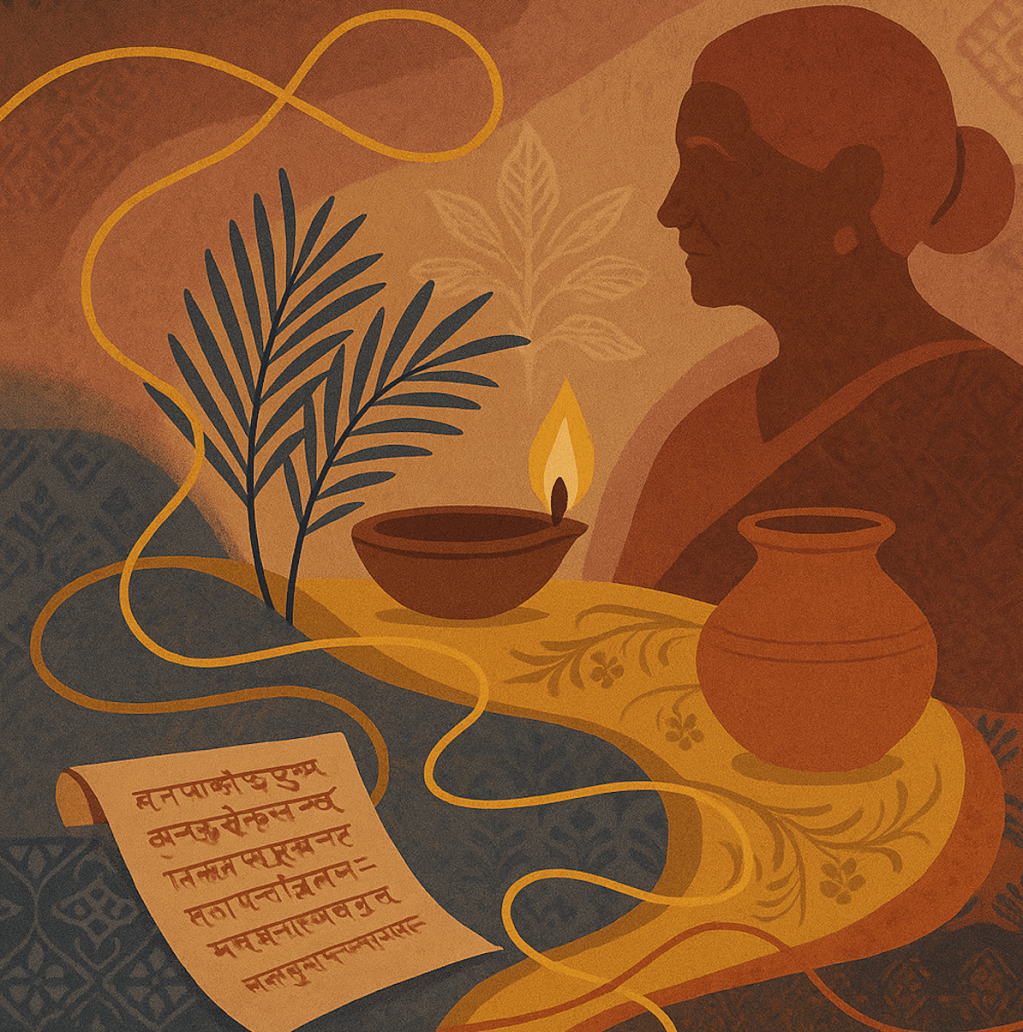
When I think of my nani, I don’t hear stories.
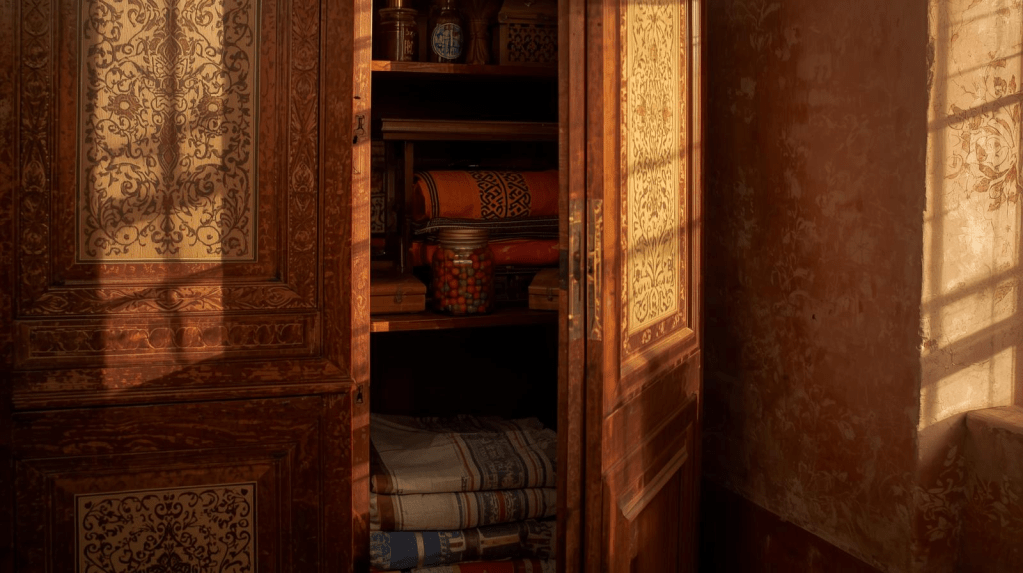
I see them—in the corners of her cupboard,
stitched into her soft cotton saris,
woven through the quiet of her everyday.
She wasn’t one to speak much.
But she knew how to care—for people, for memories, for time.
She never gave advice.
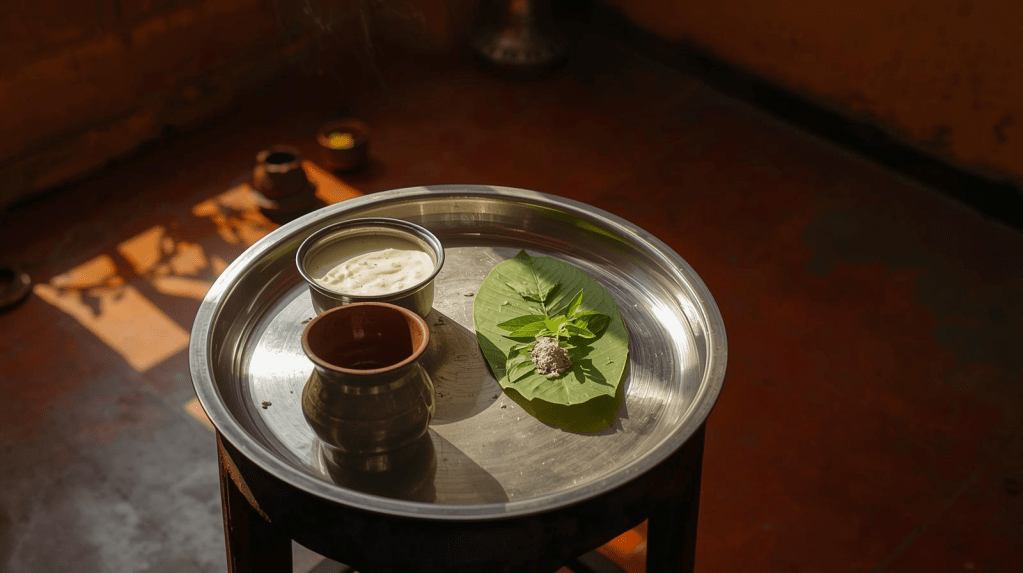
She simply offered warm haldi doodh at dusk,
pressed into my hands when words felt too heavy.
She didn’t talk about strength—
but I saw it in the way she scrubbed the floors well into her sixties,
humming old film songs like they were lullabies.
Nothing in her world was wasted.
Old dupattas turned into cloths for polishing silver.
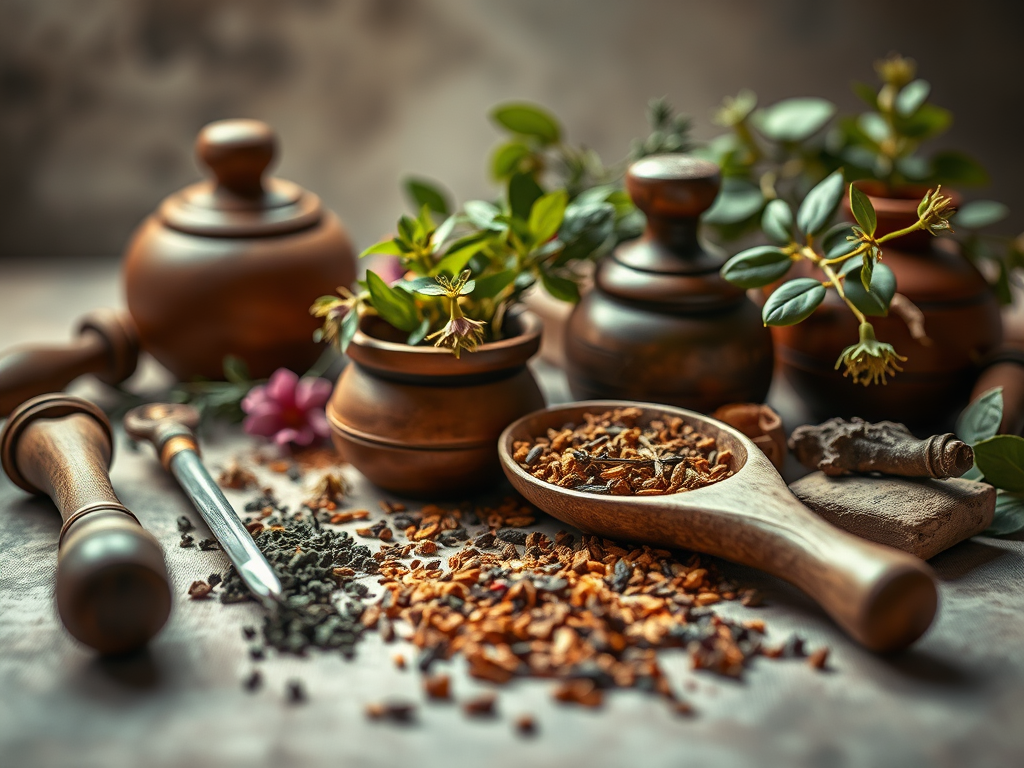
The hour between tea and dinner became time to braid onions, to clean jeera.
Even her silence had weight—
like the stones she placed on papad to hold them down in the wind.
Every act held care.
The way she folded her saris, corners perfectly aligned.
The way she tied her bun with a single black pin.
The way she always saved the sweetest guava for the youngest child.
She carried her world in small, quiet ways.
In the coffee she made each morning—before Nana’s chai, before the house stirred.
She would place that first cup near the gods.
Not out of habit, but reverence.
Because it was the first thing she touched each day.
I didn’t know then that these were teachings.
But now I understand: tending to a home was her way of loving it.
And today, when I fold my sari along the same creases,
or save the last piece of mithai for someone else,
I feel her—not as memory,
but as something alive in my hands.
Grandmother’s Room was never just a place.
It is a rhythm. A scent. A softness you grow into.
Sometimes, it’s just a single sari—
creased, sun-warmed,
still holding her shape.
Love you Ba!